


 Back to news | 5th November 2024
When the chill of winter starts to set in, the beaches, markets, and streets of Europe’s beloved summer holiday hotspots take on a whole new charm. While these locations might be bustling and sun-soaked in the high season, they transform in winter, becoming less crowded, more affordable, and just as spectacular. Here’s a look at five European summer hotspots that make a surprisingly magical visit during the winter months.
Amalfi Coast, Italy – A seaside serenity
Ah, the Amalfi Coast. In the summer, it’s a stunning scene of crowded beach clubs, bustling streets, and packed piazzas. But come winter, this Italian gem unveils a different charm. With the tourist crowds gone, the coastline takes on an almost mystical tranquillity, offering a rare opportunity to see the Amalfi Coast in its purest form.
The pleasant winter temperatures along the Amalfi Coast (usually around 10-15°C) make exploring the region a delight. You can wander the cobbled streets of Positano and Ravello without elbowing through hordes of tourists or snapping photos with half the world as your backdrop. Restaurants, cafes, and shops still open during winter cater to locals and the odd traveller, making dining out more intimate and memorable.
Hiking enthusiasts will love the Path of the Gods trail without the intense summer heat. The trail’s panoramic views of the coastline are even more breathtaking in the cooler months, allowing for longer, more enjoyable hikes. And let’s not forget Christmas – Italian towns light up in December with elaborate decorations, nativity scenes, and festive markets, so you’ll find yourself charmed by holiday traditions and decorations everywhere you turn.
Ibiza, Spain – A different kind of buzz
Ibiza may be synonymous with beach parties and vibrant nightlife, but don’t let its summer reputation fool you. In winter, the island swaps the neon lights and crowded clubs for a far more peaceful vibe. Nature, culture, and quiet exploration become the focal points, allowing you to discover the island’s rich cultural side.
Winter temperatures in Ibiza average around 15°C, making it perfect for exploring the island’s landscape. Ibiza Town and Santa Gertrudis are filled with cosy cafes, boutique shops, and art galleries that feel much more accessible without the crowds.
If you’re lucky enough to visit during the Three Kings’ parade in January, you’ll witness one of the island’s most celebrated festivals. This family-friendly event includes processions, lights, and plenty of festive cheer – a completely different experience from the typical summer revelries. And for those who still want a hint of nightlife, a few select venues remain open, offering a more intimate but still lively experience.
Dubrovnik, Croatia – Game of Thrones with fewer crowds
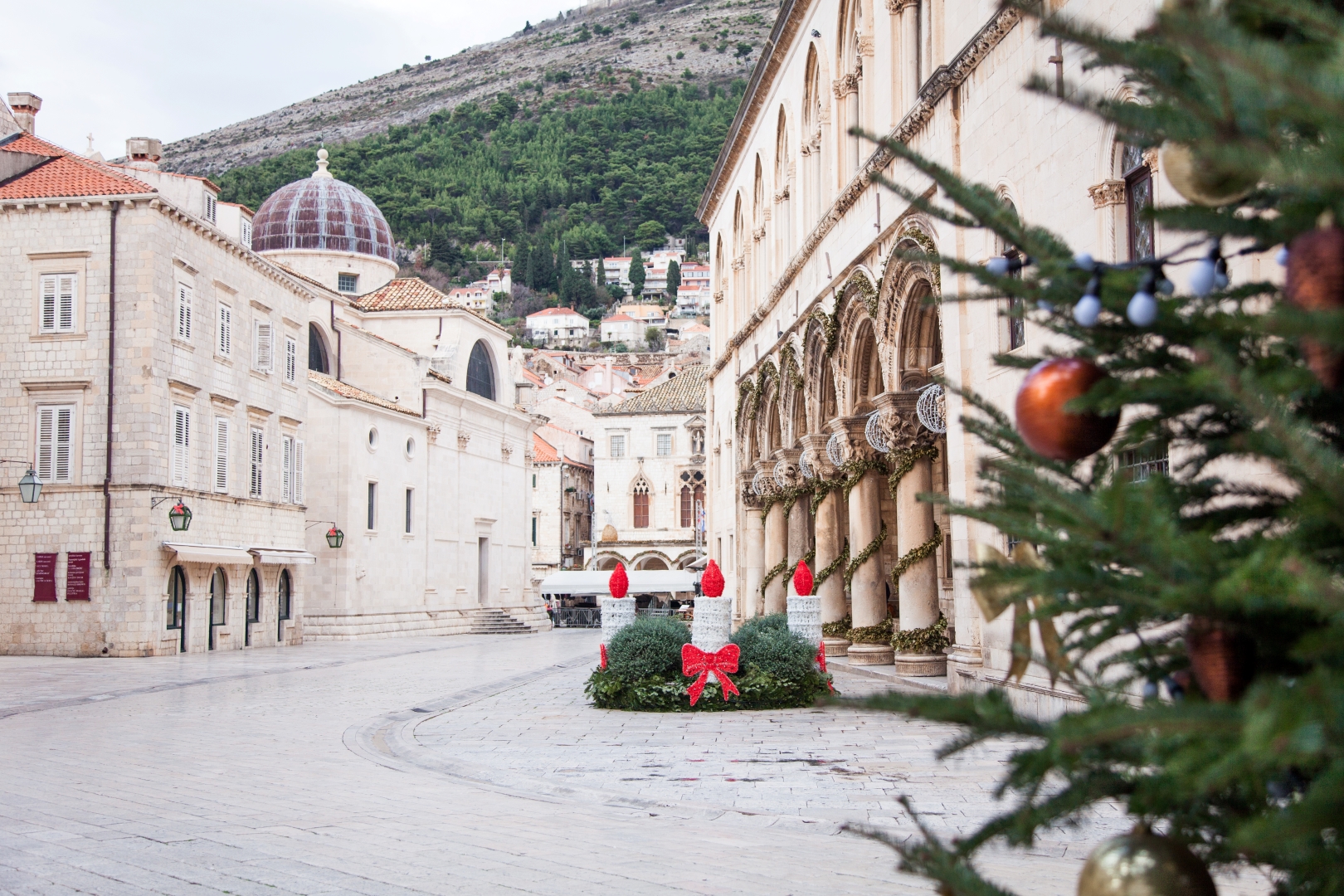
Dubrovnik in the summer? A beautiful maze of cobblestone streets packed with travellers from around the world. But winter? The city feels like a real-life Game of Thrones set, minus the hustle and bustle of high season. With fewer crowds, you can wander the Old Town’s marble streets at your own pace, discovering its medieval charm and coastal beauty without elbowing for space.
With winter temperatures averaging between 10-14°C, Dubrovnik’s walls, forts, and churches feel much more welcoming without the searing heat. You’ll enjoy spectacular photo opportunities of historic sites like the iconic city walls, the Rector’s Palace, and the Stradun (main street) without throngs of tourists.
If you’re a Game of Thrones fan, this is an excellent time to explore filming locations in peace. And, come December, Dubrovnik’s Winter Festival brings Christmas markets, ice skating, and live music to the city, adding a festive flair to its already magical ambiance.
Santorini, Greece – Whitewashed bliss with a calmer vibe
Santorini’s whitewashed buildings and cliffside views are almost synonymous with summer Instagram photos, but the island doesn’t lose any of its beauty when the temperature drops. In fact, the winter season brings a serene charm to this popular destination, where you’ll find fewer tourists but the same incredible vistas.
Winter temperatures in Santorini hover around 10-15°C, which is pleasant for exploring. You’ll have Oia’s iconic sunsets nearly all to yourself, and the blue-domed churches and whitewashed houses look just as stunning without the throngs of people. This is also an ideal time to take a wine tour of the island’s vineyards, which are much more laid-back and intimate in winter.
And though Santorini is known for its luxury accommodation, prices drop significantly in winter, making it a great time to stay in those iconic cliffside hotels at a fraction of the usual cost. Imagine sipping local wine while overlooking the caldera, with no crowds in sight—pure bliss.
Mallorca, Spain – A winter wanderer’s paradise
Mallorca in the summer is a favourite for beach lovers, but its natural beauty and cultural attractions are equally enchanting in winter. With mild temperatures, stunning landscapes, and quiet towns, the island transforms into a peaceful retreat for winter travellers.
Winter in Mallorca means temperatures around 15°C, ideal for hiking, cycling, and exploring. The Tramuntana Mountains offer scenic trails and a lush, green landscape, with the almond trees starting to bloom by late January, adding a picturesque touch to the countryside.
Palma, the island’s capital, is an architectural gem, where you can admire the impressive Palma Cathedral and stroll through the old town at a relaxed pace. And if you’re there in December, the city’s Christmas lights are a spectacle in themselves, lighting up the streets and squares with a cosy, festive atmosphere. Art lovers will also enjoy Palma’s museums and galleries, while foodies can savour winter-specific Mallorcan dishes, such as sopes mallorquines (a hearty vegetable and bread soup) in the many local restaurants.
Why Winter?
So, why not trade in winter’s icy chill for Southern Europe’s milder climates this winter holiday season? It’s not just about avoiding the crowds. Winter gives these destinations a chance to breathe, offering a slower pace that lets you truly soak in the culture, history, and beauty that summer’s peak season sometimes masks. You can explore each destination more intimately, often with lower prices, cooler temperatures, and a chance to mingle with locals who are also happy to enjoy their hometowns in a quieter season.
From festive Christmas markets in Dubrovnik to serene sunsets in Santorini, Europe’s summer hot spots offer winter visitors an unforgettable experience. With fewer people around and plenty of cultural festivities, the winter season might just be the best-kept secret for enjoying Europe’s best destinations.