


 Back to news | 3rd October 2024
The rise of so-called “second cities” like Porto, Budapest, and Krakow as popular EU travel destinations reflects a shift in tourism trends, according to Skytrail seat data. These cities offer an authentic and affordable experience, as well as fewer crowds, lower costs, and a rich cultural heritage, which many travellers now prioritise for their cultural clout.
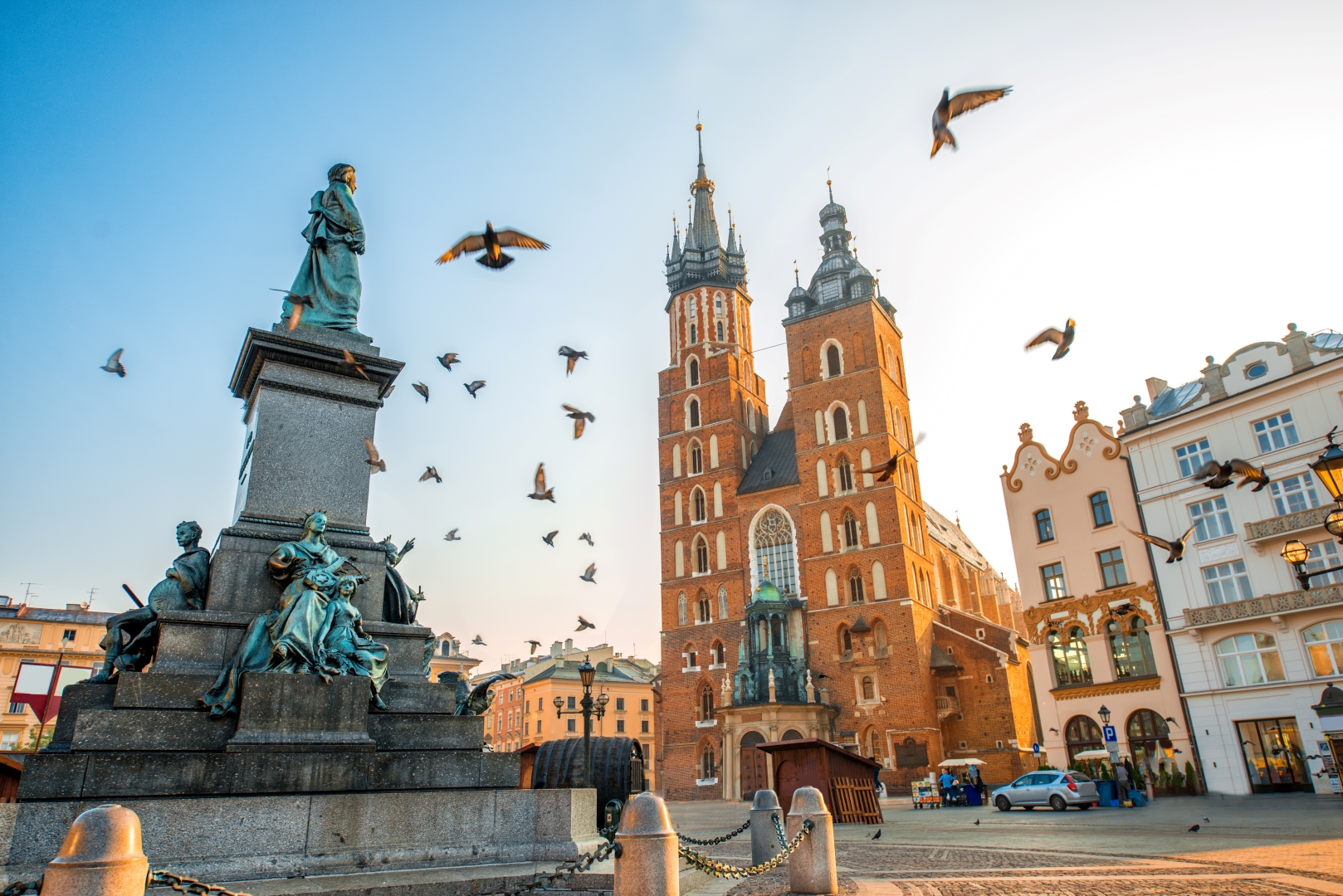
Porto, for instance, is becoming a prime destination for wine lovers and culture seekers, thanks to its port wine history and picturesque waterfront. Krakow’s blend of medieval architecture and vibrant arts scene has made it a hotspot for travellers looking for a more intimate and historical experience. Meanwhile, Budapest is prized for its thermal baths, affordable dining, and stunning architecture, attracting visitors seeking a mix of relaxation and exploration.
The increase in budget airlines and improved accessibility has made these cities more attractive. Equally, more travellers are looking for “off-the-beaten-path” experiences, where they can enjoy local culture without the tourist crowds. This trend has not only diversified tourism but also helped smaller cities boost their local economies.
What is second city tourism?
Second city tourism refers to the practice of exploring lesser-known cities within a country, rather than gravitating towards the capital city or other popular destinations. This trend allows travellers to immerse themselves in local culture and history in a more genuine and unfiltered way. Unlike the bustling city centres of capital cities, second cities offer a more relaxed and intimate experience, free from the overwhelming crowds and commercialisation that often accompany major tourist hotspots. By choosing second city travel, tourists can discover hidden gems and enjoy a more enriching journey.
Benefits of second city travel
The need for second city tourism arises from the growing challenges faced by many capital cities due to over-tourism. Overcrowding, pollution, and the strain on local resources are just a few of the adverse effects when too many tourists flock to a single destination.
Dispersing visitors to other cities helps alleviate the pressure on popular destinations, promoting more sustainable tourism practices. This approach not only preserves the cultural and historical integrity of capital cities but also ensures the benefits of tourism are more evenly distributed, supporting the development, economy, and preservation of smaller, yet equally captivating regions.
Growth in European second city routes
The was a significant surge in seat bookings to second city destinations in France, Italy and Croatia from London Gatwick Airport (LGW) in July this year. The importance of the city centre in these second city destinations cannot be overstated, as they offer charm and walkability that attract tourists. Among the standout routes were Lyon, Bologna, Catania, and Split, all of which saw notable increases in traffic over the month, reflecting the shifting preferences of travellers. These less familiar, but increasingly popular destinations, outpaced some of the more traditional tourist hotspots.
Lyon: The culinary capital of France
One of the most remarkable figures from July is the 369% year-on-year growth in seats booked to Lyon. Several factors contributed to this dramatic rise in passenger numbers. Firstly, Lyon was a host city for the 2024 Summer Olympics, making it a major destination for international tourists looking to attend the events. However, the surge in interest was not solely due to the Olympics. The city has been steadily rising in prominence over recent years, with its reputation as a cultural and culinary hub helping to boost its tourism appeal.
Lyon is renowned as the gastronomy capital of France, home to a vast array of fine dining establishments, including 21 Michelin-starred restaurants. Tourists and food enthusiasts flock to Lyon to experience its world-class cuisine, centred around the concept of “bouchons” (traditional Lyonnaise eateries). Additionally, the city’s UNESCO World Heritage status further elevates its global profile, attracting history buffs and culture seekers alike. The Old Town, with its Renaissance architecture, winding streets, and traboules (hidden passageways), provides a unique historical backdrop that sets Lyon apart from other French cities, like Paris or Nice. Lyon’s art galleries also contribute significantly to the city’s cultural vitality, showcasing the evolution and creative energy of the region.
The growth in flights to Lyon demonstrates how travellers are increasingly prioritising destinations with a rich cultural and culinary offering over more traditional beach holidays. Moreover, Lyon’s position as a gateway to the French Alps further enhances its appeal, particularly during the summer and winter seasons when the nearby mountains offer a range of outdoor activities.
Bologna and Catania: Rich history and vibrant culture
The Italian cities of Bologna and Catania also witnessed significant growth in July, further demonstrating the trend towards exploring less-frequented cities. Catania, in particular, saw a massive 309% rise in Skytrail seat data from Gatwick, contrasting sharply with the 23% decline experienced by Venice, a traditionally popular destination. This shift can be explained by several factors.
Catania, located on the eastern coast of Sicily, offers a captivating Italian experience, often overshadowed by the more famous tourist spots like Rome or Venice. As travellers look for more unique destinations, Sicily’s rich history, vibrant culture, and stunning landscapes, including the active volcano Mount Etna, have made Catania an increasingly engaging choice. Sicily’s affordability compared to Italy’s northern cities also plays a role, as travellers seek value for money while enjoying beautiful beaches, historical landmarks, and delicious cuisine.
In contrast, Venice’s decline can be attributed to concerns about over-tourism, crowding, and rising costs. Venice has implemented strict measures to control visitor numbers in recent years – including the recent introduction of entrance fees – which might have deterred some tourists. On the other hand, Catania offers a more relaxed and immersive Italian experience without the logistical and financial pressures of Venice.
Similarly, Bologna, the capital of the Emilia-Romagna region, is experiencing steady growth thanks to its reputation as a culinary hub, much like Lyon. Famous for its Bolognese sauce and other gastronomic delights, Bologna is drawing in food lovers from all over the world. The city’s well-preserved medieval architecture and historic university, one of the oldest in Europe, also make it a compelling destination for culture and history devotees.
Live music venues in both Bologna and Catania contribute significantly to the vibrant atmosphere of these cities, showcasing their evolution into contemporary hubs of art, music, and creativity.
Moreover, both Bologna and Catania are well-connected within Italy, making them excellent bases for further travel. Bologna is centrally located, allowing easy access to other Italian cities like Florence, Venice, and Milan, while Catania serves as a gateway to explore the rest of Sicily.
Split: Gateway to island travel
Split is also enjoying positive growth in arrivals, particularly when considering the strong performance of primary Croatian destination, Dubrovnik. As Croatia’s second largest city, Split has emerged as a popular stop on multi-centre holidays in Croatia, where travellers often combine visits to the city with nearby islands like Hvar, as well as Dubrovnik.
Split offers a blend of historical and natural attractions, with the ancient Diocletian’s Palace being a UNESCO World Heritage site and a major draw for tourists. The city’s lively waterfront, known as the Riva, and its close proximity to the Dalmatian Islands make it an ideal base for exploring Croatia’s Adriatic coast. Tourists can easily hop on ferries to visit the islands or take day trips to other popular destinations, such as Krka National Park.
The city is less commercialised than Dubrovnik and boasts a vibrant nightlife, bustling food scene, and stunning coastal views, making it a versatile destination for both young travellers and families.
As Split continues to establish itself as a key destination for multi-centre holidays in Croatia, its popularity is expected to grow further in the coming years, especially as the trend for adventure travel and cultural tourism continues to rise.
Future growth in second city travel
The July surge in Skytrail seat data through London Gatwick to second cities, like Lyon, Catania, Bologna, and Split, highlights a broader shift in travel preferences. Tourists are increasingly drawn to culturally rich experiences away from the more traditional, overcrowded hotspots. Marseille, Aarhus in Denmark, and Valencia in Spain are other prime examples of second cities that have a rich heritage, vibrant street art, and lively music venues.
These cities demonstrate the growing appeal of destinations that offer unique cultural, historical, and culinary experiences. As travellers continue to prioritise value, authenticity, and sustainability, second cities are likely to remain in high demand for the foreseeable future.